
Traumatic brain injury (TBI) cases are often far more complex than other personal injury claims. Unlike a broken bone or visible injury, a brain injury may not immediately appear on diagnostic imaging and can affect nearly every aspect of a person’s life, including their ability to work, communicate, think clearly, and maintain relationships.
For many accident victims, the most serious consequences of a brain injury are not visible. The focus of the case often shifts from the accident itself to what changed afterward—memory problems, cognitive difficulties, emotional changes, chronic headaches, fatigue, and reduced quality of life.
Brain Injury Symptoms Are Often Delayed
One of the biggest challenges in brain injury cases is that symptoms do not always appear immediately after a crash. A person may walk away from a serious collision believing they are unharmed, only to develop symptoms hours or days later.
Common symptoms may include headaches, dizziness, memory issues, difficulty concentrating, sensitivity to light and noise, mood changes, and fatigue. Because these symptoms can emerge gradually, insurance companies frequently attempt to question whether the injury was actually caused by the accident.
This is why early medical evaluation and documentation are often critical in traumatic brain injury claims.
Diagnosing a Brain Injury Can Be Difficult
Unlike many orthopedic injuries, traumatic brain injuries are not always visible on a CT scan or MRI. Physicians often rely on neurological examinations, cognitive testing, symptom history, and ongoing treatment records to diagnose and evaluate the injury.
As a result, brain injury claims frequently depend on a combination of medical evidence, specialist evaluations, and documented changes in the victim’s daily functioning.
The Real Impact Often Extends Beyond Physical Symptoms
Traumatic brain injuries commonly affect how a person thinks, processes information, and interacts with the world around them. Victims may struggle with memory, concentration, decision-making, emotional regulation, or tasks that once felt routine.
These challenges can significantly impact employment, relationships, and independence. In many cases, the most devastating effects of a brain injury are not what can be seen on a medical scan, but how the injury alters a person’s everyday life.
Long-Term Consequences Can Be Significant
While many injury claims involve a relatively predictable recovery, brain injuries often carry long-term or permanent consequences. Some victims require ongoing therapy, cognitive rehabilitation, neurological treatment, or accommodations at work and home.
Because of these lasting effects, damages in brain injury cases often include future medical care, diminished earning capacity, pain and suffering, and the long-term impact on the victim’s quality of life.
Brain Injury Cases Often Require Expert Analysis
Insurance companies frequently dispute whether an accident caused a traumatic brain injury or whether other factors may explain the symptoms. Medical experts, neuropsychologists, vocational specialists, and accident reconstruction professionals are often necessary to establish both causation and the full extent of the injury.
These experts help explain how the injury occurred, how it affects daily functioning, and what future challenges the victim is likely to face.
Why Investigation Matters
Because traumatic brain injuries are often invisible and highly contested, a thorough investigation is essential. Important evidence may include medical records, witness statements, crash evidence, surveillance footage, and expert evaluations.
At our law firm, we thoroughly investigate every traumatic brain injury claim and prepare each case from the beginning as though it will ultimately proceed to trial. By building strong evidence early and working closely with qualified experts, we aggressively advocate for the full compensation our clients need to address the lifelong consequences of a serious brain injury.
How Traumatic Brain Injury Cases Differ From Other Personal Injury Claims
| Traumatic Brain Injury (TBI) Cases | Other Personal Injury Cases |
|---|---|
| Symptoms may be delayed and develop hours, days, or weeks after an accident. | Symptoms are often immediate and easier to identify at the scene or shortly after the injury. |
| Cognitive, emotional, and behavioral impairments may not be visible to others. | Injuries are primarily physical and more readily observable. |
| Diagnosis often requires neurological evaluations, cognitive testing, and specialist assessments. | Diagnosis is commonly confirmed through physical examinations, X-rays, MRIs, or other imaging studies. |
| Many brain injuries are considered “invisible injuries” and may not appear on standard imaging. | Physical injuries such as fractures, lacerations, and orthopedic trauma are often clearly documented. |
| Long-term effects are common, including memory loss, concentration problems, mood changes, and cognitive impairment. | Recovery is often more predictable and follows a clearer treatment timeline. |
| Claims frequently involve future medical care, rehabilitation, and diminished earning capacity. | Future damages may be less extensive depending on the severity of the injury. |
| Cases often require testimony from neurologists, neuropsychologists, vocational experts, and life-care planners. | Fewer expert witnesses are typically necessary. |
| The impact of the injury may need to be proven through family, friends, coworkers, and daily-life evidence. | Medical records and physical findings often provide the primary evidence. |
| Insurance companies frequently dispute causation, symptom severity, and future limitations. | Liability and damages are often more straightforward to evaluate. |
| The focus is often on how the injury affects daily life, employment, relationships, and future independence. | The focus is generally on physical recovery and medical treatment. |
Daily Life Changes Often Reveal the True Impact of a Traumatic Brain Injury
Medical records and diagnostic testing do not always capture the full impact of a traumatic brain injury. In many cases, the most significant evidence comes from the changes an injured person experiences in their everyday life.
Simple tasks that once felt routine may become difficult. Victims often struggle with concentration, memory, communication, organization, fatigue, and completing daily responsibilities. Many experience challenges at work, difficulty following conversations, reduced productivity, or changes in their ability to manage household and family obligations.
Family members, friends, and coworkers are frequently the first to notice these changes. Their observations can provide valuable evidence of how a traumatic brain injury has affected the victim’s cognitive function, behavior, relationships, and overall quality of life.
For many brain injury victims, the greatest losses are not always visible on a scan—they are reflected in the day-to-day challenges they face long after the accident.
How a Traumatic Brain Injury Lawyer in Glendale Evaluates the Case?

An injury claim involves far more than proving an accident occurred. An experienced traumatic brain injury lawyer in Glendale must demonstrate how the injury has affected the victim’s life today and how it is likely to impact their future.
This often requires a comprehensive review of:
- Medical records and treatment history
- Neurological and neuropsychological evaluations
- Expert medical opinions
- Employment and earning capacity losses
- Daily functional limitations
- Future medical and rehabilitation needs
Building a strong traumatic brain injury case frequently requires collaboration between neurologists, neuropsychologists, vocational experts, economists, and life-care planners. Family members and those closest to the victim may also play an important role in documenting changes that occurred after the injury.
At our law firm, we thoroughly investigate every traumatic brain injury claim and prepare each case from the outset as though it will proceed to trial. This approach allows us to develop compelling evidence, work closely with qualified experts, and aggressively advocate for the full compensation our clients deserve.
Final Thoughts
Traumatic brain injury cases are fundamentally different from most personal injury claims. Symptoms may develop gradually, diagnostic findings are not always straightforward, and the long-term effects can impact every aspect of a person’s life.
The true consequences of a brain injury often extend far beyond the initial accident, affecting a victim’s ability to work, maintain relationships, perform daily activities, and enjoy life as they once did. Because so much is at stake, these cases require thorough investigation, strong medical evidence, and experienced legal representation focused on securing compensation for both current and future losses.
Frequently Asked Questions
What makes traumatic brain injury cases different from other personal injury claims?
Traumatic brain injuries often involve delayed symptoms, complex medical evaluations, and long-term cognitive or emotional impairments that may not appear on standard imaging studies. Unlike many physical injuries, the effects of a brain injury can be difficult to measure and may continue for years after the accident.
How is a traumatic brain injury diagnosed?
Doctors typically rely on a combination of neurological examinations, CT scans, MRI imaging, cognitive testing, symptom history, and neuropsychological evaluations. Because some brain injuries do not appear on imaging, clinical findings and ongoing symptoms often play a critical role in diagnosis.
Why can brain injury symptoms appear days after an accident?
It is common for traumatic brain injury symptoms to develop gradually. Headaches, memory problems, confusion, dizziness, and concentration difficulties may not become apparent until hours or even days after the initial trauma.
Do traumatic brain injury cases require expert witnesses?
Many serious brain injury claims rely on expert testimony. Neurologists, neuropsychologists, vocational experts, life-care planners, and accident reconstruction specialists can help explain the nature of the injury, future medical needs, and the long-term impact on the victim’s life and earning capacity.
Can a traumatic brain injury affect future employment?
Yes. Even a moderate traumatic brain injury can interfere with memory, concentration, communication, decision-making, and other cognitive functions that are essential in the workplace. These limitations may reduce a person’s earning capacity and affect their ability to return to their previous occupation.
Losing a loved one in a fatal accident is one of the most devastating experiences a family can face. In the aftermath families are often left with grief and unanswered questions about what happened and who is responsible. One of the most common questions asked to a wrongful death lawyer in Glendale is what evidence is needed to support a wrongful death claim.
In California a wrongful death case must show that another party acted with negligence, recklessness or wrongful conduct and that this conduct caused the death. The case must also show that surviving family members suffered financial and personal losses as a result.
Early Evidence Is Critical in a Wrongful Death Claim
The strongest wrongful death cases often begin with evidence collected immediately after the incident. This may include police reports incident reports workplace records emergency response records and early witness statements. These records help establish how the incident occurred who may be at fault and whether safety rules or legal duties were violated.
Small details such as timing statements from witnesses and conditions at the scene can become very important as the case develops.
Medical Records and Cause of Death
Medical evidence is one of the most important parts of a wrongful death claim. Emergency room records hospital records physician notes diagnostic imaging and coroner or autopsy reports help establish the cause of death and how the injuries occurred.
Insurance companies often dispute whether the accident directly caused the death especially when there are pre existing conditions or multiple contributing factors. Strong medical documentation helps connect the negligent act to the fatal outcome.
Witnesses Photos and Digital Evidence
Witness statements can provide important details about how the accident happened including driver behavior unsafe conditions or what was observed immediately after the incident. Because memories can fade quickly obtaining witness information early is essential.
Photos videos surveillance footage dashcam recordings and vehicle data can also play a key role. This type of evidence helps establish timelines speed movement and conditions without relying solely on testimony.
Financial Losses in a Wrongful Death Case
Wrongful death claims also require evidence of financial loss. This may include employment records income history tax documents and information about benefits or household services provided by the deceased.
These records help show the full financial impact including lost income lost support and the value of services the loved one provided to the family.
Why Strong Evidence Matters
A strong wrongful death case is built when all forms of evidence work together. Medical records witness statements and physical or digital evidence must support a consistent version of events. When evidence is incomplete or inconsistent insurance companies often challenge the claim more aggressively.
At our firm we thoroughly investigate every case and prepare each wrongful death claim from the beginning as though it will proceed to trial. A Glendale California wrongful death attorney on our team works to preserve evidence early consult with qualified experts and build a strong case designed to pursue maximum compensation for grieving families.
Strong vs Limited Evidence in a Wrongful Death Case
In a wrongful death claim, the strength of the case depends on the quality, consistency, and completeness of the evidence. A Glendale California wrongful death attorney carefully evaluates how each type of proof supports liability, damages, and the full impact of the loss on surviving family members, including both financial losses and the family’s pain and suffering.
| Stronger Evidence | Limited or Weak Evidence |
|---|---|
| Medical records and coroner or autopsy reports | Assumptions without documentation |
| Video footage and accident scene photographs | Conflicting or unclear recollections |
| Consistent witness statements | Incomplete or missing records |
| Official police or incident reports | Unverified claims or speculation |
| Expert analysis from qualified professionals | Unsupported opinions without evidence |
| Documentation of pain and suffering, including testimony from family members, friends, and coworkers describing emotional impact and loss | General statements about emotional distress without supporting details |
Strong wrongful death cases are built when multiple forms of evidence align, including medical findings, official reports, witness testimony, and documentation showing the emotional and human impact of the loss. Evidence of pain and suffering is especially important because it helps demonstrate the full effect of the tragedy on surviving family members beyond financial damages.
When evidence is incomplete, inconsistent, or based on assumptions, insurance companies and defense attorneys often dispute both liability and damages more aggressively. This is why a thorough investigation, supported by expert analysis and detailed documentation, is critical in California wrongful death claims.
How Time Affects Evidence in a Wrongful Death Case

Evidence in a wrongful death claim does not remain available indefinitely. In many cases, key information can be lost quickly if it is not preserved early in the investigation.
Surveillance footage is often overwritten within days or weeks. Witness contact information may become difficult to track down. Vehicles involved in the incident may be repaired or destroyed. Accident scenes also change over time, which can make reconstruction more difficult.
For this reason, early legal review by a Glendale California wrongful death lawyer is often critical. Prompt action helps preserve important records and prevents the loss of evidence that may be essential to proving liability and damages.
Delays in investigation can create gaps in documentation, limit available information, and make it more difficult to fully reconstruct what occurred.
Role of Legal Review in a Wrongful Death Case
A wrongful death lawyer in Glendale reviews all available evidence to determine liability, causation, and the full extent of damages. This process involves gathering records, analyzing reports, evaluating witness statements, and working with qualified experts when necessary.
Each piece of evidence contributes to a larger picture of what happened and who is responsible. No single document determines the outcome of a case. Instead, it is the consistency and strength of the overall evidence that guides the claim.
At our firm, we thoroughly investigate every wrongful death case from the beginning and prepare each claim as though it will proceed to trial. This approach ensures that critical evidence is preserved early and the case is supported by a complete and well-documented record.
Final Thoughts
A wrongful death case depends on evidence, not assumptions or memory alone. Medical records, witness testimony, official reports, and expert analysis all work together to explain what happened and establish responsibility.
For families coping with loss, answers matter. Evidence is what helps provide those answers and supports the pursuit of accountability and compensation under California wrongful death law.
Frequently Asked Questions
What evidence is most important in a wrongful death case?
There is no single most important piece of evidence. Strong cases often rely on a combination of medical records, police reports, witness statements, video footage, and expert analysis to establish liability and damages.
Do witness statements matter in a wrongful death claim?
Yes. Witness statements can provide important details about how the incident occurred. Statements collected early in the investigation are often more reliable because memories are clearer.
Can a wrongful death case succeed without video evidence?
Yes. Many wrongful death cases are successfully proven without video footage. Other evidence such as medical records, official reports, and expert testimony can still establish liability and damages.
Why are medical records so important in wrongful death cases?
Medical records help establish the cause of death and connect the fatal outcome to the incident. They are also important for addressing questions about pre-existing conditions or other contributing factors.
What can weaken a wrongful death case?
Missing documentation, inconsistent statements, unclear timelines, and unsupported claims can weaken a case. Strong wrongful death claims rely on consistent, well-documented, and verifiable evidence.
A serious motor vehicle accident lawyer in Glendale can change every aspect of your life in a matter of seconds. One moment, you are driving through Glendale on an ordinary day. The next, you may be facing emergency medical treatment, catastrophic injuries, financial uncertainty, and overwhelming stress about your future.
Victims of severe car, truck, motorcycle, pedestrian, and rideshare accidents are often left asking the same difficult questions:
- Who will pay for my medical care?
- How long will I be unable to work?
- What happens if my injuries are permanent?
- Can I still recover compensation if I was partially at fault?
- Should I trust the insurance company?
The reality is that insurance companies begin protecting their own interests immediately after a major collision. Injured victims deserve a legal team that moves just as quickly to protect theirs.
At our law firm, we aggressively advocate for victims suffering catastrophic and life-changing injuries. We thoroughly investigate every serious accident claim and prepare every case from the beginning as though it will proceed to trial. That preparation often makes a significant difference in the outcome of serious injury litigation.
Below are answers to some of the most common questions victims ask after a major motor vehicle accident.
Who Pays for Medical Bills After a Serious Accident?
Medical expenses are often one of the first and biggest concerns after a catastrophic collision. Emergency transportation, surgeries, hospitalization, rehabilitation, diagnostic imaging, and long-term care can create enormous financial pressure within days of the accident.
California is generally an at-fault state, meaning the party responsible for causing the crash may also be responsible for compensating injured victims for their damages. However, obtaining full compensation is rarely simple in serious injury cases.
Insurance companies often attempt to:
- Delay payment
- Dispute the severity of injuries
- Minimize future treatment needs
- Shift blame onto the victim
- Pressure victims into early settlements
Depending on the circumstances, medical expenses may initially be covered through:
- Health insurance
- Medical payments coverage (Med-Pay)
- Workers’ compensation benefits
- Uninsured or underinsured motorist coverage
Our law firm works to pursue full reimbursement and compensation for both current and future medical expenses associated with catastrophic injuries.
What If I Was Partially at Fault for the Crash?
Many serious collisions involve disputed liability. Victims often worry that because they may have been speeding slightly, distracted momentarily, or unable to avoid the collision, they cannot recover compensation.
Under California’s comparative negligence laws, injured victims may still recover damages even if they share partial responsibility for the accident. However, compensation may be reduced based on the percentage of fault assigned.
Insurance companies routinely attempt to exaggerate a victim’s role in causing the crash to reduce financial exposure.
That is why thorough investigation is critical.
Our firm conducts detailed investigations involving:
- Accident reconstruction analysis
- Surveillance and traffic camera footage
- Black box and electronic vehicle data
- Witness interviews
- Police reports
- Roadway and vehicle inspections
Building a strong liability case early often becomes essential in catastrophic injury litigation.
How Much Is My Serious Injury Case Worth?

Every catastrophic injury case is unique. The value of a claim depends on numerous factors, including the severity of the injuries, future medical needs, long-term disability, lost earning capacity, and the overall impact on the victim’s life.
Serious motor vehicle accident claims often involve compensation for:
Economic Damages
- Emergency medical treatment
- Hospitalization and surgerie
- Rehabilitation and therapy
- Future medical care
- Lost wages
- Reduced earning capacity
- Home modifications and assistive care
Non-Economic Damages
- Pain and suffering
- Emotional distress and trauma
- Loss of enjoyment of life
- Permanent disability and disfigurement
- Loss of independence and daily functioning
In catastrophic injury cases, future damages are often among the most important aspects of the claim. A serious spinal injury, traumatic brain injury, or permanent disability may affect a victim’s career, mobility, relationships, and financial security for the rest of their life.
Our law firm works with medical specialists, life-care planners, economists, and vocational experts to fully evaluate long-term damages before pursuing settlement negotiations or trial.
Do I Really Need a Trial Attorney After a Serious Accident?
While some minor accident claims may resolve without litigation, catastrophic injury cases are far more complex.
Insurance companies often assign aggressive defense teams to serious claims involving:
- Traumatic brain injuries
- Spinal cord injuries
- Paralysis
- Severe orthopedic trauma
- Wrongful death
- Permanent disability
- Significant future medical costs
Without experienced legal representation, victims may unknowingly accept settlements that fail to account for future care needs and long-term financial losses.
Our law firm prepares every serious injury case from the outset as though it will ultimately be presented to a jury. That preparation includes:
- Immediate evidence preservation
- Independent investigations
- Expert consultations
- Accident reconstruction analysis
- Comprehensive damages evaluation
- Strategic trial preparation
Insurance companies often evaluate claims differently when they know the law firm handling the case is fully prepared to litigate and try the matter in court.
How Long Do I Have to File a Motor Vehicle Accident Claim?
California law generally imposes deadlines for filing personal injury lawsuits. In many cases, victims have two years from the date of the accident to file a claim.
However, shorter deadlines may apply when government entities are involved, including accidents involving:
- City vehicles
- Public transportation
- Dangerous roadway conditions
- Government contractors
Failing to act quickly can also create evidentiary problems. Surveillance footage may be erased, witnesses may disappear, and physical evidence can be lost.
Early legal representation allows critical evidence to be preserved while the case is still fresh.
What If the Other Driver Was Uninsured or Underinsured?
Unfortunately, many drivers carry little or no insurance coverage.
If the at-fault driver lacks sufficient insurance, victims may still be able to recover compensation through their own:
- Uninsured motorist coverage (UM/UIM)
- Underinsured motorist coverage
- Other available insurance policies
These claims can still become highly contested because your own insurance company may attempt to minimize the value of the claim.
Our law firm aggressively advocates for injured victims in both third-party and uninsured motorist claims involving catastrophic injuries.
Serious Motor Vehicle Accidents Often Cause Life-Altering Injuries
Major collisions frequently result in catastrophic injuries requiring extensive medical treatment and lifelong care.
Common serious injuries include:
- Traumatic brain injuries (TBI)
- Spinal cord injuries and paralysis
- Severe fractures and orthopedic trauma
- Internal organ damage
- Burns and disfigurement
- Amputations
- Chronic pain conditions
- PTSD and psychological trauma
These injuries often affect every aspect of a victim’s life, including employment, mobility, family relationships, independence, and overall quality of life.
A properly prepared catastrophic injury case must fully account for both the immediate and lifelong consequences of the injuries involved.
Speak With a Glendale Motor Vehicle Accident Trial Attorney
After a serious motor vehicle accident, victims and families are often left facing overwhelming medical, emotional, and financial challenges. Insurance companies move quickly to limit liability and protect their financial interests. Injured victims deserve a law firm prepared to aggressively protect theirs.
Our law firm thoroughly investigates every catastrophic injury case, works with leading experts, and prepares every claim from day one as though it will proceed to trial.
If you or a loved one suffered serious or life-changing injuries in a motor vehicle accident lawyer in Glendale, speaking with an experienced personal injury trial attorney can help you understand your legal rights and pursue the full compensation necessary for long-term recovery and future security.
Frequently Asked Questions
What should I do immediately after a serious accident?
Seek emergency medical care immediately, report the accident to law enforcement, preserve evidence if possible, avoid discussing fault with insurers, and contact an experienced trial attorney as soon as possible.
Will my case go to trial?
No. Many serious injury cases claims are resolved through insurance negotiations and settlement discussions without going to trial. However, when insurance companies dispute liability, minimize severe injuries, or refuse to offer fair compensation, litigation may become necessary. In cases involving catastrophic injuries or life-altering damages, preparing every claim as though it may proceed to trial is often essential to maximizing recovery.
The Law Offices of Artin Yadegarian approaches every case with a trial-first mindset. From day one, each claim is thoroughly prepared as if it will be presented before a jury with building strong evidence, expert support, and a compelling case for the full extent of your losses. This level of preparation not only strengthens your position in settlement negotiations, but ensures that if the at-fault party refuses to offer full and fair compensation, your case is ready to be taken to trial without hesitation.
Can I still recover compensation if my symptoms appeared later?
Yes. Many serious injuries, including traumatic brain injuries, spinal injuries, and soft tissue damage, may not fully appear until hours or days after a collision. Prompt medical evaluation remains important.
How much does it cost to hire a motor vehicle accident lawyer?
Most catastrophic injury attorneys handle cases on a contingency fee basis, meaning there are no upfront attorney fees unless compensation is recovered on your behalf.
Why is early investigation important in catastrophic injury cases?
Critical evidence can disappear quickly after a major collision. Early investigation helps preserve surveillance footage, electronic vehicle data, witness statements, roadway evidence, and other information necessary to prove liability and damages.
An amputation injury is one of the most devastating and life-altering injuries a person can suffer. Beyond the immediate trauma and medical emergency, victims are often left facing permanent physical limitations, emotional hardship, financial uncertainty, and dramatic changes to their future employment opportunities and earning potential.
For many people, the loss of a limb affects far more than mobility. It impacts independence, career advancement, family responsibilities, daily activities, and long-term financial security. Serious amputation injuries frequently require multiple surgeries, ongoing rehabilitation, prosthetic treatment, psychological care, and lifelong medical support.
When an amputation injury is caused by negligence, reckless conduct, unsafe conditions, or a catastrophic accident, injured victims deserve aggressive legal representation focused on securing the full compensation necessary for long-term recovery and future stability.
At our law firm, we thoroughly investigate every catastrophic injury claim and prepare every case from the beginning as though it will proceed to trial. Insurance companies and corporate defendants often move quickly to minimize damages in serious injury cases. Early investigation, expert analysis, and strategic trial preparation can make a significant difference in the outcome of an amputation injury claim.
The Immediate Impact an Amputation Injury Can Have on Your Career
One of the first realities many amputation victims face is the inability to return to work for an extended period of time. Recovery from a traumatic amputation or surgical limb loss often involves:
- Multiple surgical procedures
- Hospitalization and inpatient care
- Physical and occupational therapy
- Prosthetic fitting and training
- Pain management treatment
- Psychological counseling and trauma support
- Long-term rehabilitation and adaptive training
For many injured individuals, months or years of recovery can lead to substantial financial losses. Even where disability benefits are available, they often fail to cover the full extent of lost income, future earning potential, and ongoing medical expenses.
In catastrophic injury cases, the financial consequences can continue for decades.
Can You Return to Your Previous Job After an Amputation?
Whether an injured person can return to their former employment often depends on the physical demands of the occupation and the severity of the injury.
- Construction
- Warehousing and logistics
- Manufacturing
- Transportation
- Skilled trades
- Emergency response
- Commercial driving
may face permanent work restrictions that prevent them from returning to the same position.
Even with advanced prosthetic technology and rehabilitation, some physical limitations may remain permanent. In many cases, victims are forced to change careers entirely or accept employment with reduced earning potential.
This is commonly referred to as diminished earning capacity — the long-term reduction in a person’s ability to earn income because of permanent injuries.
Amputation Injuries Often Create Long-Term Financial Losses
The financial impact of an amputation injury extends far beyond immediate lost wages. Serious injury claims frequently involve future economic losses that insurance companies attempt to minimize or ignore.
An experienced amputation injury lawyer works with medical experts, vocational specialists, economists, and life-care planners to fully evaluate long-term damages, including:
- Future lost wages and income
- Reduced earning capacity
- Lost promotions and career advancement opportunities
- Loss of retirement and pension contributions
- Loss of employee benefits and health insurance
- Future prosthetic and medical care costs
- Rehabilitation and vocational retraining expenses
- Home modifications and assistive equipment
- Long-term pain management and psychological care
At our law firm, we build every catastrophic injury case with trial in mind from the very beginning. That preparation often includes retaining nationally recognized experts, preserving evidence early, and developing a comprehensive damages presentation designed to prove the full impact the injury will have on the victim’s future life and livelihood.
Vocational Rehabilitation and Career Changes After an Amputation
Many amputation victims are forced to pursue entirely different career paths after a catastrophic injury. Vocational rehabilitation programs may help injured individuals develop new job skills, transition into less physically demanding work, or adapt to changing physical limitations.
However, retraining and career transitions often involve significant financial and emotional challenges, including:
- Tuition and certification costs
- Reduced income during retraining
- Delayed career advancement
- Loss of professional identity
- Emotional stress and uncertainty about the future
A properly prepared catastrophic injury claim should account for these future losses and the long-term impact the injury will have on a person’s professional life and financial independence.
The Emotional and Psychological Impact of an Amputation Injury
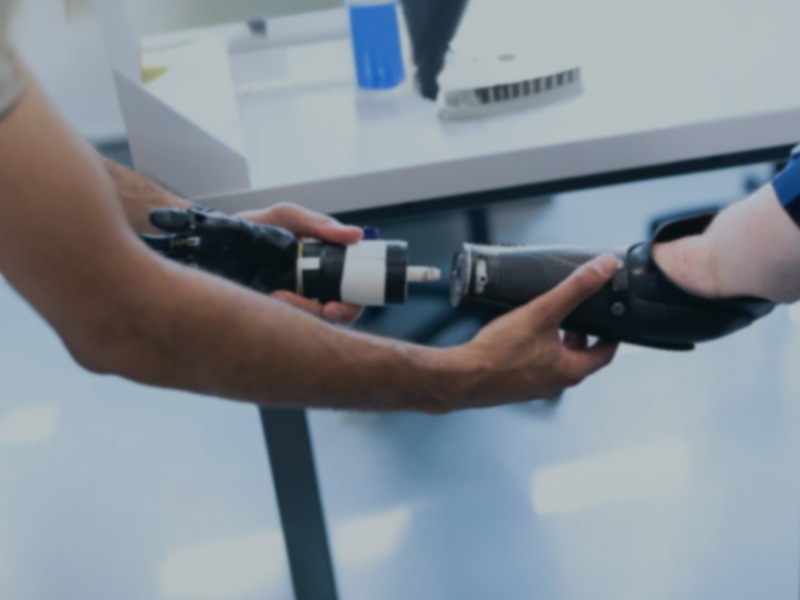
The emotional effects of a traumatic amputation are often profound. Many victims experience:
- Depression
- Anxiety
- Post-traumatic stress disorder (PTSD)
- Chronic emotional distress
- Loss of confidence and independence
- Difficulty returning to social and professional environments
These psychological injuries can directly affect workplace performance, career opportunities, and overall quality of life.
Serious injury litigation should fully account for both the physical and emotional consequences of catastrophic injuries. At trial, juries must understand not only what the victim lost physically, but how the injury permanently changed the course of their life.
Why Thorough Investigation Matters in Amputation Injury Cases
Catastrophic injury cases require far more than basic insurance claim handling. Serious amputation claims often involve complex liability issues, extensive damages, and aggressive defense strategies designed to reduce financial exposure.
Our law firm conducts detailed investigations into every serious injury case, which may include:
- Accident scene inspections
- Preservation of critical evidence
- Review of surveillance and video footage
- Expert accident reconstruction analysis
- Medical expert evaluations
- Vocational and economic loss assessments
- Corporate safety investigations
- Review of OSHA violations or unsafe workplace conditions
Preparing cases aggressively from the outset places pressure on insurance companies and defendants to take the claim seriously.
What Should You Do After a Serious Amputation Injury?
If you or a loved one suffered a catastrophic amputation injury, protecting your future begins with taking the right steps early.
Important actions include:
- Seek immediate and ongoing medical care
- Follow all treatment recommendations
- Preserve medical records and financial documentation
- Document missed work and employment changes
- Avoid providing recorded statements to insurers
- Do not accept early settlement offers
- Contact an experienced amputation injury trial attorney as soon as possible
Insurance companies often attempt to settle catastrophic injury claims before the full extent of future damages becomes clear. Early legal representation can help preserve evidence, protect your rights, and ensure future losses are properly evaluated.
Speak With an Experienced Amputation Injury Trial Attorney
An amputation injury can permanently alter every aspect of a person’s life, from their health and mobility to their career and financial future. Victims should not be forced to shoulder those losses alone when negligence caused the injury.
Our law firm aggressively advocates for victims suffering catastrophic and life-changing injuries. We thoroughly investigate every claim, work with leading experts, and prepare every case from day one as though it will proceed to trial.
If you or a loved one suffered a serious amputation injury, speaking with an experienced amputation injury lawyer can help you understand your legal rights and pursue the full compensation necessary for long-term care, lost earning capacity, and future financial security.
Frequently Asked Questions
Can I recover compensation for future lost income after an amputation injury?
Yes. In catastrophic injury cases, victims may be entitled to compensation for diminished earning capacity, future lost wages, loss of benefits, and other long-term financial losses caused by permanent disability or work limitations.
How do lawyers prove diminished earning capacity?
Experienced trial attorneys often work with vocational experts, economists, medical specialists, and life-care planners to evaluate how the injury affects future employment opportunities, career growth, and lifetime earnings.
What if my amputation injury happened at work?
You may have a workers’ compensation claim, but additional claims against third parties may also exist depending on how the injury occurred. Thorough investigation is critical to identifying all potentially liable parties.
Will my case go to trial?
No. Many catastrophic injury cases claims are resolved through insurance negotiations and settlement discussions without going to trial. However, when insurance companies dispute liability, minimize severe injuries, or refuse to offer fair compensation, litigation may become necessary. In cases involving catastrophic injuries or life-altering damages, preparing every claim as though it may proceed to trial is often essential to maximizing recovery.
The Law Offices of Artin Yadegarian approaches every case with a trial-first mindset. From day one, each claim is thoroughly prepared as if it will be presented before a jury with building strong evidence, expert support, and a compelling case for the full extent of your losses. This level of preparation not only strengthens your position in settlement negotiations, but ensures that if the at-fault party refuses to offer full and fair compensation, your case is ready to be taken to trial without hesitation.
How much does it cost to hire an amputation injury lawyer?
Most personal injury trial attorneys handle catastrophic injury cases on a contingency fee basis, meaning there are no upfront attorney fees unless compensation is recovered on your behalf.
A bicycle accident in Glendale can change your life in an instant, turning an ordinary day into months—or even years—of physical, emotional, and financial hardship. What may begin with severe pain, emergency treatment, or catastrophic injuries can quickly affect nearly every part of your daily life. Victims often face traumatic brain injuries, spinal cord damage, multiple fractures, permanent disability, chronic pain, or long-term rehabilitation that prevents them from working, caring for family members, or enjoying the activities they once loved.
In the immediate aftermath of a serious bicycle crash, your focus is naturally on survival and recovery. You may be dealing with hospitalization, surgeries, mounting medical expenses, loss of income, and significant changes to your independence and quality of life. As treatment continues, additional pressures often follow. Insurance adjusters may begin calling shortly after the accident, asking questions and attempting to minimize your claim before the full extent of your injuries is even known.
This is when many injured cyclists begin asking whether they should pursue a legal claim. In most cases, the answer depends on what caused the accident and whether another party’s negligence contributed to the crash.
Understanding how bicycle accident claims work can help make an overwhelming situation feel more manageable.
What Commonly Causes Serious Bicycle Accident Claims?
Most catastrophic bicycle accident claims arise because a driver failed to follow basic traffic laws or safety precautions. Even a moment of carelessness can leave a cyclist with life-altering injuries.
Common causes of serious bicycle accidents in Glendale include:
- Drivers turning without checking for cyclists in bike lanes or intersections
- Vehicles pulling out of parking lots or driveways without yielding
- Drivers opening car doors directly into an active bicycle lane (“dooring”)
- Distracted driving caused by texting, phone use, or inattention
- Running red lights or stop signs
- Speeding or reckless driving in areas with bicycle traffic
- Failing to provide cyclists with adequate space on the roadway
These accidents occur far more often than many people realize, especially in busy areas where bicycles, vehicles, and pedestrians regularly share the road. In a collision involving a motor vehicle, cyclists are especially vulnerable to catastrophic injuries because they have little physical protection against the force of impact.
When another person’s negligence directly causes a bicycle accident, injured riders may have the legal right to pursue compensation for medical expenses, lost wages, future care needs, pain and suffering, permanent disability, and the long-term impact the injuries have on their daily lives.
Because these cases often involve serious injuries and substantial damages, many victims choose to speak with a bicycle accident lawyer in Glendale to better understand their legal rights and options for recovery.
How Do Insurance Companies Determine Fault in a Bicycle Accident?
Fault in a bicycle accident is not determined by whoever speaks first or gives a statement to the insurance company. Instead, insurers typically conduct an investigation and review multiple forms of evidence before deciding liability.
In serious bicycle accident claims, insurance companies commonly examine:
- Police reports and officer observations
- Witness statements and independent accounts
- Photographs and videos from the accident scene
- Damage to the bicycle and involved vehicles
- Medical records documenting the injuries sustained
- Traffic camera or surveillance footage, when available
- Cell phone records or other evidence of distracted driving
A driver’s statement such as, “I did not see the cyclist,” does not automatically eliminate responsibility. In many cases, failing to see a bicyclist may itself be evidence of negligence, particularly when the cyclist had the legal right of way or was traveling in a designated bicycle lane.
Insurance investigators, attorneys, and accident reconstruction experts will often look beyond the initial statements to determine exactly how the collision occurred and whether the driver failed to operate the vehicle safely under the circumstances.
What Questions Do Investigators Ask After a Bicycle Accident?
In a serious bicycle accident case, investigators and insurance companies closely examine the circumstances surrounding the collision to determine liability and whether negligence played a role. Their investigation often focuses on several critical questions, including:
- Which party had the legal right of way at the time of the collision?
- Did either party violate a traffic law or fail to follow roadway safety rules?
- Was the cyclist visible to the driver under the conditions present at the scene?
- Were visibility issues caused by parked vehicles, roadway design, lighting, or other obstructions?
- Did distracted driving, speeding, or driver inattention contribute to the crash?
- Did hazardous road conditions, debris, poor signage, or defective infrastructure play a role in causing the accident?
- Could the collision have been avoided if the driver had exercised reasonable care?
These questions are especially important in catastrophic bicycle accident cases involving severe injuries, permanent disability, or long-term medical treatment. A thorough investigation can help uncover the true cause of the crash and establish whether the driver or another party failed to act safely under the circumstances.
Can You Still Recover Compensation If You Were Partially at Fault?
Yes. In California, injured cyclists may still recover compensation even if they were partially responsible for the accident. This is an important issue in serious bicycle accident cases, especially when catastrophic injuries permanently affect a person’s health, career, independence, and quality of life.
Many injured riders mistakenly believe that making any mistake during the accident automatically prevents them from pursuing a claim. California law generally does not work that way. The state follows a comparative negligence system, which means fault can be shared between multiple parties.
For example, a driver may fail to yield while making a turn, causing a violent collision with a cyclist. At the same time, the insurance company may argue that the cyclist was riding outside a designated bicycle lane or was otherwise partially negligent. In these situations, both sides of the incident may be evaluated when determining liability.
If an injured cyclist is found partially at fault, compensation may still be available, although the recovery is typically reduced by the percentage of fault assigned to the cyclist.
This issue becomes especially significant in catastrophic injury cases involving:
- Traumatic brain injuries
- Spinal cord injuries and paralysis
- Multiple fractures or orthopedic trauma
- Permanent disability or disfigurement
- Long-term rehabilitation and medical care
- Loss of earning capacity
- Significant disruption to daily life and future independence
Insurance companies often attempt to shift blame onto injured cyclists in order to reduce the value of serious injury claims. Early statements, settlement discussions, and recorded interviews can therefore have a major impact on the outcome of a case.
Because of this, many injured riders choose to speak with a Glendale bicycle accident attorney before responding to insurance pressure or accepting a settlement offer, particularly when the injuries are severe, life-altering, or expected to require ongoing medical treatment and long-term care.
What Financial Losses Are Common After a Serious Bicycle Accident?
The financial impact of a serious bicycle accident often extends far beyond the initial emergency room visit. Catastrophic injuries can leave victims facing months or years of medical treatment, rehabilitation, lost income, and significant disruption to daily life.
In severe bicycle accident cases, injured cyclists may be entitled to pursue compensation for both current and future losses, including:
- Emergency room and trauma care
- Ambulance transportation
- Diagnostic imaging, MRIs, CT scans, and X-rays
- Surgical procedures and hospitalization
- Follow-up medical appointments
- Physical therapy and rehabilitation
- Prescription medications and pain management
- Long-term medical treatment and assistive care
- Lost wages and reduced earning capacity
- Bicycle repair or replacement
- Pain, suffering, and loss of quality of life
For many victims, the most devastating losses involve the permanent impact the injuries have on their independence, mobility, career, and ability to participate in everyday activities.
Common Bicycle Accident Injuries

Cyclists involved in collisions with motor vehicles are highly vulnerable to severe and life-altering injuries. Even accidents occurring at moderate speeds can result in catastrophic physical trauma.
Common injuries in Glendale bicycle accident cases include:
- Traumatic brain injuries (TBI) and concussions
- Spinal cord injuries and paralysis
- Neck and back injuries
- Shoulder injuries and torn ligaments
- Wrist and arm fractures
- Knee trauma and orthopedic damage
- Multiple broken bones
- Severe road rash and scarring
- Internal injuries and organ damage
- Chronic pain and nerve injuries
Some serious injuries may not immediately appear after the collision. Symptoms involving brain trauma, spinal injuries, or soft tissue damage can worsen over the following hours or days. Seeking prompt medical evaluation after a bicycle accident is often critical for both health and legal reasons.
Why Proper Documentation Matters in a Bicycle Accident Claim
Serious injury claims are often built on evidence and documentation. Without clear records, insurance companies may attempt to dispute the extent of the injuries, minimize financial losses, or shift blame onto the injured cyclist.
Strong documentation can play a major role in proving damages and establishing the full impact of the accident.
Important evidence often includes:
- Medical records and treatment notes
- Photographs of injuries and recovery progress
- Photographs of the accident scene and roadway conditions
- Bicycle and vehicle damage documentation
- Repair estimates and replacement invoices
- Wage loss and employment records
- Insurance communications and claim correspondence
- Witness statements and surveillance footage
In catastrophic injury cases, documentation may also help demonstrate long-term disability, future medical needs, and the ways the accident has permanently affected a victim’s daily life and independence.
Does Timing Affect a Bicycle Accident Claim?
Yes. Timing can have a significant impact on the strength and success of a bicycle accident claim.
California injury claims are subject to legal filing deadlines, and certain cases involving dangerous road conditions or public entities may involve shorter notice requirements and additional procedural rules.
Waiting too long can also create serious evidentiary problems. Witness memories may fade, surveillance footage may be erased, and critical accident scene evidence can disappear quickly.
Taking action early often makes it easier to:
- Preserve physical evidence
- Obtain traffic or surveillance footage
- Locate witnesses
- Document injuries properly
- Protect against insurance company tactics aimed at reducing the claim value
For victims suffering catastrophic injuries, early legal guidance can be especially important because long-term medical and financial damages are often not immediately apparent.
What Should You Do After a Bicycle Accident?
The aftermath of a serious bicycle accident can feel overwhelming, particularly when severe injuries interfere with mobility, work, and daily routines. Taking the right steps early can help protect both your health and your legal claim.
Important steps after a bicycle crash include:
- Seek immediate medical attention
- Report the accident to law enforcement
- Photograph the scene, injuries, and damaged bicycle
- Preserve medical records and receipts
- Avoid discussing fault with insurance adjusters
- Do not accept a rushed settlement offer
- Speak with an experienced Glendale bicycle accident attorney before signing documents or giving recorded statements
Speak With a Bicycle Accident Lawyer in Glendale
A serious bicycle accident can leave victims dealing with permanent injuries, emotional trauma, financial stress, and major life changes. Insurance companies often move quickly to minimize liability, especially in cases involving catastrophic injuries and substantial damages.
Understanding your rights and the true value of your claim is critical before making decisions that could affect your future.
If you or a loved one suffered severe or life-altering injuries in a bicycle accident, speaking with an experienced bicycle accident lawyer in Glendale can help you better understand your legal options and pursue the compensation needed for long-term recovery and care.
Frequently Asked Questions
Can I file a claim after a bicycle accident in Glendale?
Yes. If another driver, vehicle operator, property owner, or third party contributed to the bicycle accident, you may have the right to pursue compensation for your injuries and financial losses. Serious bicycle accident claims often involve compensation for medical expenses, lost income, rehabilitation costs, pain and suffering, and the long-term impact the injuries have on daily life and future independence.
Can I still recover compensation if I was partially at fault?
Possibly. California follows a comparative negligence system, which means injured cyclists may still recover compensation even if they share partial responsibility for the accident. However, the total recovery may be reduced based on the percentage of fault assigned to the cyclist. Insurance companies frequently attempt to shift blame in catastrophic injury cases, making a thorough investigation especially important.
What evidence is important after a bicycle accident?
Strong evidence can play a critical role in proving liability and documenting the full extent of serious injuries. Helpful evidence often includes:
- Medical records and treatment documentation
- Photographs of injuries, the roadway, and vehicle damage
- Police and accident reports
- Witness statements and contact information
- Bicycle repair or replacement estimates
- Surveillance or traffic camera footage
- Records of lost wages and ongoing medical care
In catastrophic injury cases, documentation may also help establish future medical needs, permanent disability, and diminished quality of life.
Do all bicycle accident cases go to court?
No. Many bicycle accident claims are resolved through insurance negotiations and settlement discussions without going to trial. However, when insurance companies dispute liability, minimize severe injuries, or refuse to offer fair compensation, litigation may become necessary. In cases involving catastrophic injuries or life-altering damages, preparing every claim as though it may proceed to trial is often essential to maximizing recovery.
The Law Offices of Artin Yadegarian approaches every case with a trial-first mindset. From day one, each claim is thoroughly prepared as if it will be presented before a jury with building strong evidence, expert support, and a compelling case for the full extent of your losses. This level of preparation not only strengthens your position in settlement negotiations, but ensures that if the at-fault party refuses to offer full and fair compensation, your case is ready to be taken to trial without hesitation.
A spinal cord injury doesn’t give you time to prepare, it happens in an instant.
For victims in Glendale facing a spinal cord injury, the impact is immediate and overwhelming. One moment, life is familiar. The next, it is replaced by hospital corridors, urgent testing, and a stream of specialists without clear answers.
What settles in just as quickly is uncertainty about mobility, independence, work, and the future you once expected.
This is not simply a diagnosis. It is a life-altering event. In many cases, paralysis or loss of sensation occurs instantly. In others, symptoms develop gradually, obscuring the severity of the damage until critical time has passed. The consequences reach far beyond the initial injury, affecting every aspect of daily life and long-term stability.
We created this guide to provide clarity during a time of confusion—explaining how these injuries occur in our community and why securing the right spinal cord injury lawyer in Glendale early can play a decisive role in protecting your future.
What an Spinal Cord Injury Actually Looks Like
It’s rarely as simple as “you can’t walk.” The damage is unique to every single person.
We often see clients who experience total loss of movement. Others face numbness, chronic pain, or a loss of coordination, making work next to impossible. Swelling hides the true extent of the damage. That’s why early diagnoses are tricky.
The hard truth? Doctors often can’t predict your recovery timeline in the first week. Two people with the exact same vertebrae fracture can end up with totally different lives. That unpredictability is exactly why you cannot rush the settlement process.
The Usual Suspects: Causes in Glendale
In our experience handling catastrophic injury claims, the same few scenarios tend to play out repeatedly:
1. Traffic Collisions on Major Roadways
Car accidents are the leading cause. Whether it’s a highway pileup or a T-bone at an intersection, any one can snap the spine. Airbags won’t be of much help here, even if they deploy on time. Truck accidents are far more devastating because of the mass involved. Motorcyclists face the highest risk of all.
2. Gravity (Falls)
People often assume falls only happen to the elderly. Not true. We frequently see serious spinal damage from:
- Slips on wet floors in grocery stores.
- Trips on the sidewalk
- Falls at poorly lit stairwells in apartment complexes.
- Tumbles from ladders.
You don’t have to fall from a skyscraper to change your life; landing the wrong way from just five feet up can cause permanent damage.
3. Construction and Industrial Sites
Glendale’s active construction zones are high-risk environments. When heavy machinery fails or safety protocols are ignored, the spine usually absorbs the impact. These workplace accidents often involve complex legal layers—sometimes it’s Workers’ Comp, but often there is a third-party liability claim hiding in the details.
Why This is More Than a “Medical” Issue
A Spinal Cord Injury rewires your entire existence.
Your routine? Gone. Work might be impossible for months, or forever. Simple tasks you used to do on autopilot now require strategy and assistance. And it’s not just you: partners and children have to adjust their lives, too.
Then there is the invisible toll. The frustration, the sudden anger, and the terrifying “what-ifs.” This emotional distress isn’t any different than a broken bone. A skilled personal injury lawyer knows that this pain needs and deserves compensation as much as your hospital bills do.
When to Call a Lawyer (and Why It Matters)

Most people try to survive the situation first. Legal matters step in later, especially when the bills start arriving.
You might start asking:
- Was this accident actually preventable?
- Why am I paying for someone else’s mistake?
- How will I afford long-term care?
Not every accident is a lawsuit, but if it’s a case of negligence, you should explore your options immediately. California law has a strict statute of limitations on injury claims. If you start investigating late, the evidence might disappear. And with it, your window for recovery.
What Fair Compensation Should Cover
There is no “standard price” for a spine. It’s messy. A robust settlement needs to account for:
- Immediate Medical Costs: Surgeries, ICU stays, and medication.
- Future Care: Months or years of physical therapy or home modifications.
- Lost Wages: The paycheck you aren’t earning today, and the promotions you won’t earn tomorrow.
- Pain and Suffering: The “quality of life” tax you pay every single day.
Why Speed is the Enemy
If an insurance adjuster is trying to cut you a check quickly, be suspicious.
Spinal cord cases must move slowly. Why? Because you need to reach “Maximum Medical Improvement” (MMI) before you know what the rest of your life costs. If you settle in month two, and a new complication arises in month six, you cannot go back for more money. You get one shot at this.
Final Thoughts
A spinal cord injury in Glendale isn’t just a hurdle; it’s a mountain. You deserve clear answers and the breathing room to make smart decisions without high-pressure sales tactics.
Understanding the path forward—medically and legally—is the first step toward regaining control.
Frequently Asked Questions
How long does a spinal cord injury lawsuit take?
Timelines vary wildly. While some cases resolve in months, serious spinal cases often take longer because we need to ensure the settlement covers lifetime needs, not just current bills.
Is paralysis always permanent?
Not always. The body is resilient. Outcomes depend heavily on how severe the underlying injury is and how quickly you received emergency treatment.
What if I was partly to blame for the accident?
You may still have a case. California follows comparative fault rules, meaning you can still recover a portion of damages even if you were partially responsible.
Do I have to go to court?
In most cases, no. The majority of spinal cord injury claims are resolved through negotiation and settlement, allowing you to avoid the courtroom.
However, Artin Yadegarian prepares every case as if it will go to trial. If the insurance company or opposing party refuses to fully and fairly compensate you for your damages, he will not hesitate to take your case to court and fight aggressively on your behalf through a jury trial.
Should I speak to the insurance company alone?
It is highly recommended that you speak with an attorney first. The goal of the insurance company is to minimize payout. A simple “I’m doing okay” can be twisted to deny your pain later. It is almost always safer to have a legal buffer.
After a serious accident, legal considerations are rarely top of mind. The immediate focus is on survival, stabilization, and the long road to recovery including navigating hospital stays, ongoing treatment, and the profound changes to daily life that often follow a life-altering injury.
In those early stages, reaching out to a personal injury law firm is not typically a priority. That step tends to come later, as the full scope of the injury becomes clearer and more complex questions begin to surface about long-term care, financial impact, and the future.
However, it is critical to consult with a personal injury attorney as early as possible to ensure that key evidence is preserved, that nothing is said or done that could compromise your claim, and that your rights are fully protected from the outset.
When Recovery Doesn’t Progress as Expected
In the aftermath of a serious accident, there is often an initial hope that, with time and treatment, things will improve. For some, they do.
But in cases involving significant or life altering injuries, the path is rarely that simple. Recovery may stall. Pain may persist or intensify. Basic daily activities can become difficult or even impossible. What once felt temporary begins to take on a more permanent and uncertain shape.
This is often the point when the reality of the injury begins to set in and when a closer look at the situation becomes necessary.
When the Full Impact Begins to Unfold
Serious accidents do not always reveal their full consequences right away.
What may initially appear as a manageable injury can evolve into something far more complex, requiring ongoing medical care, long term rehabilitation, or permanent lifestyle adjustments. The physical, emotional, and financial effects often become clearer over time.
As those layers emerge, so do more significant questions about the future.
When the Facts and Responsibility Are Not Clear
In more severe accidents, determining exactly what happened is not always straightforward.
There may be conflicting witness statements, multiple parties involved, or details that only come to light over time. As the stakes increase, so does the importance of understanding how responsibility is determined and how those facts may ultimately be evaluated.
When Insurance Dynamics Begin to Shift

After a serious accident, early communication with insurance companies may seem routine.
But as the extent of the injuries becomes clearer, that communication often changes. Requests for detailed records increase. Questions become more pointed. The process may feel more formal, more deliberate, and more focused on limiting exposure.
That shift is not incidental. It often reflects the seriousness of the situation and the potential value of the claim.
When the Long Term Picture Comes Into Focus
Life altering injuries bring long term considerations that go far beyond immediate recovery.
Future medical care, loss of earning capacity, ongoing pain, and changes to quality of life all become part of the equation. These are not short term concerns. They shape the trajectory of a person’s life moving forward.
It is often at this stage that the need for clarity, structure, and protection becomes more apparent.
When Timing Becomes Critical
In serious injury cases, timing is not just a technical detail. It can materially affect the outcome.
Evidence must be preserved while it is still available. Documentation needs to be accurate and complete. Statements made early on can carry lasting consequences. Delays can create gaps that are difficult, if not impossible, to correct later.
Most people are not aware of how important these factors are until much later.
When It Becomes Essential to Take a Closer Look
Exploring your legal options does not mean committing to a claim. It means understanding the situation you are in.
In the context of catastrophic or life changing injuries, that understanding becomes far more important. It is about knowing how your case may be evaluated, what challenges may arise, and how your future may be impacted.
For many, this is when reaching out to a personal injury law firm shifts from a consideration to a necessary step.
A Thoughtful and Proactive Approach
This process does not have to happen all at once, but it should not be delayed when the stakes are this high.
Pay attention to how recovery is progressing. Notice how the situation is evolving. Consider whether the full impact of the injury is becoming clearer.
And most importantly, in cases involving serious or life altering injuries, consulting with a personal injury attorney early on is critical to ensure that key evidence is preserved, that nothing is said or done that could compromise your claim, and that your rights are fully protected as you navigate what comes next.
Closing Section
You do not need to have everything figured out in the immediate aftermath of a serious or life altering accident.
In many cases, it begins with the realization that the situation is more complex and more consequential than it first appeared. The long term impact, the unanswered questions, and the uncertainty about what lies ahead often become clearer with time.
Taking the time to recognize that shift and to fully understand what you are facing can help you make informed decisions about how to protect yourself, your future, and what comes next.
At the same time, speaking with a personal injury lawyer in California as early as possible is critical to ensure that evidence is preserved, that nothing is said or done that could jeopardize your case, and that your rights are fully protected from the outset.
Disclaimer
This content is for informational purposes only and does not constitute legal advice. Laws and timelines can vary, particularly in cases involving serious or life altering injuries, and you should consult a qualified personal injury attorney to evaluate your specific circumstances and protect your rights.
Frequently Asked Questions (FAQs)
When do people usually start thinking about a legal claim after an accident?
It varies. In cases involving serious or life altering injuries, some people begin thinking about it early due to the immediate impact. Others only start to consider it as the full extent of the injury, recovery challenges, and questions about responsibility become clearer over time.
Do I need to take action right away after a serious accident?
Yes, it is highly recommended especially t in more severe cases where early attention can be important. While decisions may still develop over time, speaking with a personal injury attorney early on can help ensure that evidence is preserved and that your rights are protected from the beginning.
What if I am still unsure about what happened?
That is not unusual, especially in more complex or high impact accidents. Details often emerge gradually through medical evaluations, investigations, and ongoing review of the circumstances.
Can the seriousness of an injury affect timing?
Yes. In cases involving serious injuries, timing can become more critical. Some conditions may worsen or reveal themselves over time, and early documentation can play an important role in how the situation is ultimately evaluated.
Does insurance involvement change anything in serious injury cases?
It often does. As the severity of the injuries becomes clear, communication with insurance companies typically becomes more detailed and more focused, which can raise additional questions and considerations.
Is it too early to ask about my options after a life altering injury?
No. Asking questions early does not commit you to any course of action, but it can provide clarity and help you understand what to expect, especially when the potential long term impact is significant.
What if I decide to wait before taking any action?
That depends on the circumstances, but in most injury cases, waiting can carry risks. Delays may affect evidence, documentation, and how your claim is ultimately supported. Even if you are not ready to move forward, obtaining early guidance can help you avoid unintended consequences.
Bus accidents often lead to catastrophic, life-altering injuries, and in the most tragic cases, loss of life. The sheer size and force of a bus can leave victims and their families facing overwhelming medical, emotional, and financial consequences that extend far beyond the initial incident.
In the aftermath, it is not only about receiving immediate medical care, but also about protecting your right to meaningful legal recovery. Artin Yadegarian, bus accident lawyer in Glendale, will conduct a detailed, independent investigation into every aspect of the crash including identifying all responsible parties, uncovering critical evidence, and evaluating the full scope of damages, including long-term care needs, lost earning capacity, and the lasting impact on your quality of life.
The Law Offices of Artin Yadegarian approaches each case with the seriousness it demands, thoroughly preparing every claim to pursue full and fair compensation. Every case is built with the expectation that it may need to be presented in court, ensuring no detail is overlooked and no avenue for recovery is left unexplored.
This guide explains how a Glendale bus accident lawyer like Artin Yadegarian evaluates these complex cases, what factors carry the most weight, and what you can expect throughout the process.
Why Bus Accidents in Glendale Often Lead to Serious Injuries
Size and Weight Differences Between Buses and Passenger Vehicles
Buses are significantly larger and heavier than passenger vehicles, and when a collision occurs, the force of the impact is often absorbed by the smaller vehicle frequently resulting in devastating, life-altering injuries. Even those inside the bus are not immune; passengers can be thrown, unrestrained, or otherwise exposed to serious harm due to the nature of bus travel.
For many victims, the consequences extend far beyond an initial hospital visit. What begins as an emergency can evolve into a lifetime of medical care, ongoing physical therapy, multiple surgeries, chronic pain management, and, in some cases, permanent disability. These injuries can fundamentally alter a person’s independence, ability to work, and overall quality of life.
In the aftermath, it is critical to consider not only immediate treatment, but also the long-term impact including planning for future medical needs, supportive care, and the lasting effects the injury will have on everyday living.
Common Locations for Bus Accidents in Glendale
There are a few areas in Glendale where the risk of bus collisions is higher.
- Intersections generally involve left-turn crashes or traffic signal violations.
- School zones carry heavy pedestrian and vehicle traffic
- Public transit routes include frequent stops, merging traffic, and tight turns.
A local bus accident injury lawyer like Artin Yadegarian studies accident patterns in these zones. The location can often tell how and why the crash happened.
What a Bus Accident Lawyer in Glendale Looks at First
Severity and Type of Injuries
The first step in analyzing a serious injury claim involves medical review.
- Brain injuries need neurological testing and long-term monitoring.
- Damage to the spinal cord may result in partial or complete paralysis.
- Multiple fractions may need surgery and several months to recover from.
- Internal injuries generally don’t appear immediately, but they carry life-threatening risk.
A bus accident injury lawyer goes through medical records and speaks to physicians when needed. They do it to understand both current harm and future impact.
Long Term Medical Needs and Ongoing Care
One hospital visit is never enough for serious injuries. Some victims need ongoing therapy, surgery, or even lifelong assistance.
Planning for future care is also essential. Medical experts can estimate treatment costs over time, and these projections dictate claim value. A bus accident law firm like the Law Offices of Artin Yadegarian considers all long-term costs when calculating damages.
How Medical Costs Affect a Bus Accident Claim

Emergency Treatment and Hospital Care
Ambulance transport, trauma care, surgery, intensive care service – these particulars add up quickly. Even a short stay at a hospital can result in massive bills.
A bus accident law firm accumulates all invoices, treatment summaries, etc. These documents form the foundation of economic damages.
Rehabilitation, Therapy, and Future Medical Costs
Physical therapy, occupational therapy, and pain management extend for months or years. Certain injuries need assistive services or home modifications.
Projected medical costs become part of the total claim. Thorough evaluation of the costs ensures that you’re not left covering future costs by yourself.
Lost Income and Work Limitations After a Bus Accident
Missed Work During Recovery
Injuries may prevent victims from going back to work immediately after returning from the hospital, and time off work naturally results in lost wages. It’s possible to calculate missed income using payroll records and employer statements.
Reduced Ability to Earn in the Future
Some injuries limit long-term earning capacity. If you can’t return to your previous job, your income may permanently be impacted. Economic experts can assess vocational limitations and projected lifetime earnings. Loss of earning capacity is a major factor in serious injury claims.
Liability Issues in Glendale Bus Accident Cases
Bus accident cases often involve complex liability questions.
-
- When the Bus Driver May be At Fault
Driver negligence can be proven with instances of speeding, distracted driving, or failing to yield.
Training records and driving history may uncover prior violations. A bus accident lawyer investigates driver conduct and compliance with traffic laws and safety standards.
-
- Private Bus Companies and Transit Agencies
If an at-fault driver works for a private company, that organization may share liability.
Public transit agencies involve government bodies. Such cases follow strict filing deadlines and procedures under California law. A bus accident lawyer must identify the correct defendant early in the case.
-
- Maintenance Contractors and Manufacturers
Mechanical failure sometimes causes bus crashes. Defective brakes, tire blowouts, or steering problems may involve maintenance contractors or manufacturers. Inspection reports and maintenance logs provide crucial evidence.
Insurance Coverage in Bus Accident Claims
Commercial Insurance Policies
A private bus company carries a commercial insurance policy with higher limits than a personal auto policy.
However, insurers can dispute liability or damages. A bus accident law firm reviews policy limits and negotiates with insurers based on documented losses.
Public Entity Insurance and Claim Limits
Government claim procedures apply during the involvement of a public transit agency. When that happens, you need to file a claim with a strict timeframe. Damage caps and special defenses may apply. You must understand the rules if you hope to preserve your right to compensation.
Evidence That Can Strengthen a Bus Accident Claim
Video Footage and Witness Statements
Today, most buses have cameras installed. Traffic CCTVs and nearby businesses with recording systems may also capture footage.
Witness statements help confirm driver behavior and road conditions. A bus accident injury lawyer like Artin Yadegarian will move quickly to do the investigation himself and make sure that all evidence is preserved.
Maintenance Records and Driver Logs
Inspection reports can tell whether the bus was properly maintained. Driver logs are also important. They show work hours and rest periods. Excess fatigue can make a driver negligent on the road.
Expert Review and Accident Reconstruction
Accident reconstruction experts analyze the impact angles, speed, and braking patterns. Medical experts link the severity of the injury to crash forces. This evidence helps during negotiation and trial preparation.
When a Bus Accident Case in Glendale May Go to Trial
Disputes Over Fault or Damages
Insurance companies tend to deny fault or try to minimize injuries. If talks regarding settlement fail, the case may end up in court.
In certain injury cases, strong evidence and trial readiness dictate the outcome. For instance, Artin Yadegarian and his co-counsel Christopher Montes de Oca recently obtained a $45 million bus accident settlement at trial right before closing arguments. They were able to reach this settlement for their client because of all the investigation and work they completed leading up to trial.
Why Trial Preparation Matters
Preparing for trial can influence negotiations, even if the case gets settled outside court. Insurers assess risks based on the strength of the legal strategy.
A bus accident lawyer in Glendale like Aritn Yadegarian, who is trusted by local residents, prepares every case as if trial is possible. Again, Artin Yadegarian and his co-counsel Christopher Montes de Oca recently obtained a $45 million bus accident settlement at trial right before closing arguments. They were able to reach this settlement for their client because of all the investigation and work they completed leading up to trial.
Non-Economic Damages in Bus Accident Cases
Pain and Physical Limitations
Serious injuries affect daily life. You won’t be able to remain independent if you’re in chronic pain and experiencing mobility limitations or physical restrictions. All these losses qualify as non-economic damages under California law.
Emotional Distress and Daily Life Impact
A traumatic crash can cause anxiety, sleep issues, and emotional strain. Being unable to participate in family activities or hobbies also affects quality of life.
A bus accident injury lawyer documents all these impacts via medical records, witness statements and personal testimony.
Why Working with a Local Bus Accident Lawyer in Glendale Matters
Knowledge of Local Roads and Transit Systems
Local attorneys like Artin Yadegarian understand Glendale roadways, traffic patterns, and transit operations. This familiarity with common accident locations supports case strategy.
When you search for a bus accident lawyer near me, you’ll find that this proximity improves communication as well as case management.
Experience with Local Courts and Procedures
Cases in Glendale proceed through Los Angeles County courts. Each court has unique procedural requirements and scheduling practices.
Local experience helps avoid delays and filing errors. The Law Offices of Artin Yadegarian handles personal injury claims with detailed preparation and careful attention to procedural rules.
Final Thoughts on Bus Accident Claims in Glendale
Why Each Bus Accident Case is Different
Every single bus accident claim will be unique because the amount of insurance coverage that is available, the extent of your injuries and many other factors which affect liability are all unique. Some claims may have been caused by private transportation companies while some claims may have involved government run transit systems. This requires an attorney to develop a strategy that fits your individual situation.
How a Bus Accident Lawyer Can Evaluate Your Situation
In the aftermath of a serious or catastrophic bus accident, a reputable Glendale bus accident lawyer does more than develop a strategy, they build a comprehensive legal theory grounded in evidence. This includes a careful review of medical records, accident reports, witness statements, evidence, and all available insurance information. The goal is to clearly establish liability and fully capture the scope of your damages, from immediate medical costs to the long-term impact on your health, livelihood, and daily life.
When injuries are severe, the stakes are significantly higher. A thorough and timely evaluation by a qualified attorney is critical to protecting your rights. This involves a structured investigation designed to uncover every contributing factor and ensure no aspect of your loss—physical, emotional, or financial—is overlooked.
Understanding how your claim is analyzed empowers you to make informed decisions at a time when the future may feel uncertain. With the right approach, you can pursue compensation that truly reflects the life-altering nature of your injuries and the challenges ahead.
Frequently Asked Questions
What does a bus accident lawyer in Glendale do?
A bus accident lawyer in Glendale reviews how the accident happened, identifies who may be responsible, and evaluates injuries, damages, and insurance coverage to assess a legal claim.
How is a bus accident different from a car accident claim?
Bus accident claims often involve commercial or public entities, higher insurance limits, and more complex liability issues than standard car accident cases.
Who can be held responsible in a bus accident case?
Responsibility may involve the bus driver, a private bus company, a public transit agency, a maintenance provider, or a vehicle manufacturer, depending on the facts.
How is the value of a bus accident settlement determined?
Settlement value depends on injury severity, medical costs, lost income, long-term impact, liability, and of course available insurance.
Do bus accident cases always go to trial?
Most bus accident cases are resolved through settlement, but when serious injuries are involved, disputes over fault or the true extent of damages are common—and some cases must proceed to trial.
The Law Offices of Artin Yadegarian approaches every case with a trial-first mindset. From day one, each claim is thoroughly prepared as if it will be presented before a jury with building strong evidence, expert support, and a compelling case for the full extent of your losses. This level of preparation not only strengthens your position in settlement negotiations, but ensures that if the at-fault party refuses to offer full and fair compensation, your case is ready to be taken to trial without hesitation.
What types of injuries are common in bus accidents?
Common injuries include head injuries,a traumatic brain injury, spinal cord damage, fractures, internal injuries, and other conditions that may require long-term care.
Can I recover compensation for pain and emotional distress?
California law allows compensation for non-economic damages, such as pain, emotional distress, and loss of enjoyment of life, when supported by the facts.
Why does local experience matter in a Glendale bus accident case?
Local experience can help with understanding the conditions, transit systems, and local court procedures of Glendale that may affect a case.
How long do bus accident cases usually take?
Timelines vary. Some cases resolve in months, while others take longer depending on injuries, evidence, and whether litigation is required.
Are past bus accident settlements a guarantee of future results?
No. Every case is different, and past results depend on specific facts and circumstances that may not apply to other cases.
Summary:
Learn how a bus accident lawyer Glendale residents trust evaluates serious injury claims, from liability and medical costs to insurance issues and trial readiness after a crash.
When a serious accident happens, the disruption isn’t limited to a hospital stay. It affects your ability to work, care for your family, move without pain, and maintain the routine you once took for granted. In catastrophic injury and wrongful death cases, the consequences are long-term and often permanent.
These cases are not about quick settlements. They involve complex medical issues, future care needs, lost earning capacity, and, in wrongful death matters, the profound loss suffered by a family. Insurance companies evaluate exposure; we focus on the full impact on your life.
At the Law Offices of Artin Yadegarian, we concentrate on catastrophic injury and wrongful death cases. We keep our caseload selective so we can devote the time, resources, and preparation these high-stakes matters require. Every case is built with litigation in mind and supported by the appropriate medical and other experts. When the outcome affects your future and your family’s stability, experience and focused advocacy matter.
Here is exactly what a personal injury lawyer in Glendale can do for you when the stakes are high.
Life-Threatening Motor Vehicle Accidents
The traffic in Glendale has earned “legendary” status for all the wrong reasons. High-speed collisions here aren’t just fender benders. They are life-altering events.
-
- Car Accidents: Whether it’s a distracted driver on the 134 or a T-bone at a busy intersection, we handle the heavy lifting. Artin Yadegarian famously secured a $10.7M+ jury verdict for a client in a rear-end accident and ultimately recovered more than $12,300,000.00 even after the jury verdict. We know how to prove negligence when the other driver tries to lie about what happened.
-
- The “I-5 Corridor” Reality: This happened just yesterday. It played out like a horror movie right in front of our eyes. On Sunday, January 18, 2026, a five-car wreck on the northbound I-5 near the Los Feliz Blvd off-ramp left a 25-year-old dead and five in the hospital. These “chain reaction” crashes are messy. Determining who hit who first is a job for experts, not just a police report.
-
- Trucking Collisions: The kind of damage caused by an 18-wheeler semi is indescribable. These cases involve complex federal regulations and massive corporate insurance policies. You need the services of a personal injury lawyer in Glendale who knows how to extract the data from the truck’s “black box” before it gets deleted “accidentally.”
Traumatic Brain Injuries (TBI) and Spinal Damage
Some injuries don’t show up on X-rays. These so-called “invisible” injuries tend to cause the most damage. This damage may last over a lifetime.
A Traumatic Brain Injury (TBI) is enough to change an individual’s nature, character, personality, their ability to work, and even their memory. Complex cases like these require expert neurologists and life-care planners to prove the true cost of your future. We specialize in these high-stakes, catastrophic cases. Why? Because we know that a “fair” settlement has to cover the rest of your life, not just the next few years.
Wrongful Death: The New 2026 “Legal Cliff”
Losing a loved one because of someone else’s recklessness is a pain no check can fix. But justice matters. In California, the laws regarding fatal accidents have gone through a shift which makes the timing and strategy of a wrongful death claim more critical than ever. You need a lawyer who stays on top of these legislative sunsets to ensure your family doesn’t lose out on the compensation you deserve.

Premises Liability and Glendale Slumlords
Those who own houses or commercial properties in Glendale reserve the right to keep their buildings safe. In fact, it’s considered their legal duty. Leaving hazards like a leaking pipe, a broken stair, or poor lighting, unattended can hurt one or more occupants. The victims can hold the owner responsible.
It isn’t about being “clumsy,” mind you. It’s about accountability. We’ve seen everything from mold and habitability cases in local apartments to complex slip-and-fall injuries in commercial buildings like the Americana or the Galleria.
Rideshare Accidents (Uber and Lyft)
Glendale gets a lot of rideshare traffic. Actually, Glendale is a hub for ridesharing. But what happens when your Uber driver gets T-boned? The insurance landscape for rideshare apps is a nightmare of “periods” and “phases.” Depending on whether the driver had a passenger or just the app open, the coverage changes from $50,000.00 to $1 million to often times much more. We know how to cut through the red tape to make sure you aren’t left holding the bill for an accident that wasn’t your fault.
What Sets Us Apart
Most firms want to settle your case as fast as possible for the first decent offer so they can move on to the next person. We don’t. We take a “trial-first” mentality. When insurance companies see Artin Yadegarian’s name, they know they aren’t dealing with a settlement mill. They know they’re dealing with a personal injury lawyer in Glendale who is ready to fight for the victim or the family.
FAQs
How much is my Glendale personal injury case worth?
There is no “magic calculator.” It depends on your medical bills, lost wages, the need for future medical care and the impact to your life. We look at the “total life impact” to get you the maximum value.
What is the statute of limitations in California?
Generally, you have two years from the date of the injury to file. But if the claim is against a government entity (like a city bus), the time period may be much shorter. Don’t wait.
Can I still recover money if I was partially at fault?
Yes. California follows “Pure Comparative Negligence.” Even if you were 40% at fault for a crash, you can still recover 60% of the damages. We fight to keep your “fault percentage” as low as possible.
How much does a personal injury lawyer cost?
Nothing upfront. We work on a contingency fee basis. If we don’t win your case, you don’t owe us anything in attorney’s fees.
Will I talk to an actual lawyer or a paralegal?
At the Law Offices of Artin Yadegarian, when you hire Artin, you get Artin. He is involved with the case from the onset and he is the one that actually handles your case from dealing with the insurance company, communicating with opposing counsel and appear at court on your behalf.
Summary: This guide explains how a Glendale personal injury lawyer handles serious accidents, catastrophic injuries, and wrongful death cases, while navigating legal changes, to protect victims’ rights and pursue full, fair compensation for life-altering losses.
After a serious accident, legal claims are rarely the first concern. Your focus is on medical treatment, adjusting to physical limitations, coordinating care, managing time away from work, and handling the day-to-day disruptions that follow. Legal responsibility usually becomes a question later, when it’s clear the situation is not fixing itself.
Sometimes the issue is not a private person or business. It’s a city. Or a county. Or a public agency that controls a road, a building, or a service people rely on every day. That’s when the process starts to feel different.
Claims involving government agencies tend to move on a different track from the start. There are extra steps. Shorter timelines. More rules. Missing one of them can stop a claim before it ever really begins.
What Counts as a Public Entity?
People are often surprised by how many things count as a public entity. It’s not just state offices or federal departments. Cities and counties fall into this category, just like public transportation agencies, school districts, and public universities. The same goes for sidewalks, parks, and government-owned buildings. They’re usually managed by some level of public authority.
Figuring out which agency is responsible is not always obvious. Two places can look the same, but be controlled by entirely different entities. That question alone can take time to sort out, and it’s often when people begin looking for answers on their own, sometimes starting with a search for an injury lawyer near me.
Situations That Often Lead to Claims
Most claims against public entities come from everyday situations. Nothing dramatic on the surface. A road that hasn’t been maintained. A bus incident. A fall on public property. A government vehicle involved in a crash. The difference isn’t how the injury happened. It’s who was in control.
Road conditions are a common example. Missing signs, poor design, or surfaces that aren’t repaired can all play a role. Public transportation cases come up too, involving buses or other municipal services. Injuries on public property happen more often than people realize, especially in places with heavy foot traffic.
When a government employee is involved while doing their job, that can also raise questions about public responsibility.
Why These Claims Can Be More Complicated

What makes these cases harder is not just proving what happened. It’s following the procedure. Public entities usually require a formal notice of claim, and that notice has to be filed quickly. Much faster than people expect. Waiting while medical treatment continues can quietly use up that time.
Once a deadline passes, there may be no way to reopen the issue. Even when the underlying facts are strong.
Responsibility is another point that often gets challenged. Was the agency aware of the condition? Should it have been? Was there enough time to fix it or warn people? These questions tend to shape how a claim moves forward, if it moves forward at all.
Because public entities keep records, documentation often matters more than people expect. Maintenance logs, inspection reports, and prior complaints can all come into play. Photos and videos help. Witnesses help. Medical records help too, especially when symptoms don’t show up all at once.
Some claims resolve early. Others don’t. Denials happen. Disagreements happen. At that point, the issue usually becomes whether the procedural steps were followed and whether responsibility can actually be established.
Victims of accidents seek legal guidance as they are unfamiliar with the rules. No one wants to deal with litigation, but the process leaves little room for error. Understanding deadlines and preserving information early on can make all the difference.
Closing Thoughts
Claims involving government agencies and public entities are possible, but they are rarely straightforward. The rules are different. The deadlines are tighter. Responsibility is often layered.
For people injured in situations involving public property or services, understanding how these claims work can help keep options from closing quietly. Sometimes, simply asking the right questions early makes the process clearer.
Frequently Asked Questions
How long do I have to file a claim against a government agency?
The timeline is often shorter than in other injury cases. In many situations, a formal notice has to be submitted early on. The exact timing depends on the agency and the circumstances, which is why this issue usually comes up first.
Can a government agency be held responsible at all?
In some situations, yes. Public entities are not automatically protected from claims. Whether responsibility exists depends on control, knowledge of the condition, and whether there was a reasonable chance to address it.
What if I don’t know which agency was responsible?
That happens often. Responsibility is not always clear at the beginning, especially when multiple agencies or contractors are involved. Sorting that out usually takes record review and time.
Do these cases always end up in court?
No. Some claims resolve during the administrative process. Others move forward only if disputes can’t be resolved. Each case follows its own path.
What kinds of injuries are involved in public entity claims?
There isn’t one type. These cases can involve falls, vehicle accidents, transit-related injuries, and more. The focus is usually on how the injury happened and who had responsibility.
Is it too early to ask questions if treatment is ongoing?
Many people ask questions while treatment is still happening. Early discussions are often about timing and information, not final decisions.
