
An amputation injury is one of the most devastating and life-altering injuries a person can suffer. Beyond the immediate trauma and medical emergency, victims are often left facing permanent physical limitations, emotional hardship, financial uncertainty, and dramatic changes to their future employment opportunities and earning potential.
For many people, the loss of a limb affects far more than mobility. It impacts independence, career advancement, family responsibilities, daily activities, and long-term financial security. Serious amputation injuries frequently require multiple surgeries, ongoing rehabilitation, prosthetic treatment, psychological care, and lifelong medical support.
When an amputation injury is caused by negligence, reckless conduct, unsafe conditions, or a catastrophic accident, injured victims deserve aggressive legal representation focused on securing the full compensation necessary for long-term recovery and future stability.
At our law firm, we thoroughly investigate every catastrophic injury claim and prepare every case from the beginning as though it will proceed to trial. Insurance companies and corporate defendants often move quickly to minimize damages in serious injury cases. Early investigation, expert analysis, and strategic trial preparation can make a significant difference in the outcome of an amputation injury claim.
The Immediate Impact an Amputation Injury Can Have on Your Career
One of the first realities many amputation victims face is the inability to return to work for an extended period of time. Recovery from a traumatic amputation or surgical limb loss often involves:
- Multiple surgical procedures
- Hospitalization and inpatient care
- Physical and occupational therapy
- Prosthetic fitting and training
- Pain management treatment
- Psychological counseling and trauma support
- Long-term rehabilitation and adaptive training
For many injured individuals, months or years of recovery can lead to substantial financial losses. Even where disability benefits are available, they often fail to cover the full extent of lost income, future earning potential, and ongoing medical expenses.
In catastrophic injury cases, the financial consequences can continue for decades.
Can You Return to Your Previous Job After an Amputation?
Whether an injured person can return to their former employment often depends on the physical demands of the occupation and the severity of the injury.
- Construction
- Warehousing and logistics
- Manufacturing
- Transportation
- Skilled trades
- Emergency response
- Commercial driving
may face permanent work restrictions that prevent them from returning to the same position.
Even with advanced prosthetic technology and rehabilitation, some physical limitations may remain permanent. In many cases, victims are forced to change careers entirely or accept employment with reduced earning potential.
This is commonly referred to as diminished earning capacity — the long-term reduction in a person’s ability to earn income because of permanent injuries.
Amputation Injuries Often Create Long-Term Financial Losses
The financial impact of an amputation injury extends far beyond immediate lost wages. Serious injury claims frequently involve future economic losses that insurance companies attempt to minimize or ignore.
An experienced amputation injury lawyer works with medical experts, vocational specialists, economists, and life-care planners to fully evaluate long-term damages, including:
- Future lost wages and income
- Reduced earning capacity
- Lost promotions and career advancement opportunities
- Loss of retirement and pension contributions
- Loss of employee benefits and health insurance
- Future prosthetic and medical care costs
- Rehabilitation and vocational retraining expenses
- Home modifications and assistive equipment
- Long-term pain management and psychological care
At our law firm, we build every catastrophic injury case with trial in mind from the very beginning. That preparation often includes retaining nationally recognized experts, preserving evidence early, and developing a comprehensive damages presentation designed to prove the full impact the injury will have on the victim’s future life and livelihood.
Vocational Rehabilitation and Career Changes After an Amputation
Many amputation victims are forced to pursue entirely different career paths after a catastrophic injury. Vocational rehabilitation programs may help injured individuals develop new job skills, transition into less physically demanding work, or adapt to changing physical limitations.
However, retraining and career transitions often involve significant financial and emotional challenges, including:
- Tuition and certification costs
- Reduced income during retraining
- Delayed career advancement
- Loss of professional identity
- Emotional stress and uncertainty about the future
A properly prepared catastrophic injury claim should account for these future losses and the long-term impact the injury will have on a person’s professional life and financial independence.
The Emotional and Psychological Impact of an Amputation Injury
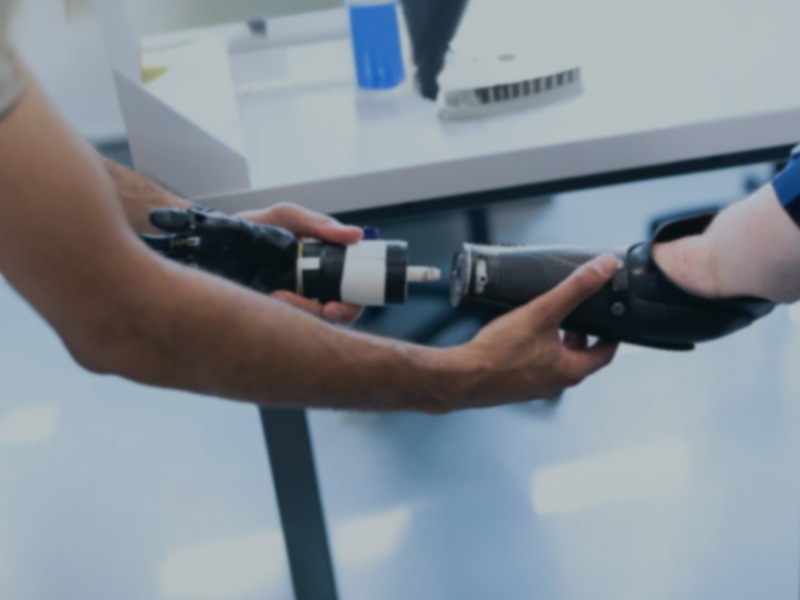
The emotional effects of a traumatic amputation are often profound. Many victims experience:
- Depression
- Anxiety
- Post-traumatic stress disorder (PTSD)
- Chronic emotional distress
- Loss of confidence and independence
- Difficulty returning to social and professional environments
These psychological injuries can directly affect workplace performance, career opportunities, and overall quality of life.
Serious injury litigation should fully account for both the physical and emotional consequences of catastrophic injuries. At trial, juries must understand not only what the victim lost physically, but how the injury permanently changed the course of their life.
Why Thorough Investigation Matters in Amputation Injury Cases
Catastrophic injury cases require far more than basic insurance claim handling. Serious amputation claims often involve complex liability issues, extensive damages, and aggressive defense strategies designed to reduce financial exposure.
Our law firm conducts detailed investigations into every serious injury case, which may include:
- Accident scene inspections
- Preservation of critical evidence
- Review of surveillance and video footage
- Expert accident reconstruction analysis
- Medical expert evaluations
- Vocational and economic loss assessments
- Corporate safety investigations
- Review of OSHA violations or unsafe workplace conditions
Preparing cases aggressively from the outset places pressure on insurance companies and defendants to take the claim seriously.
What Should You Do After a Serious Amputation Injury?
If you or a loved one suffered a catastrophic amputation injury, protecting your future begins with taking the right steps early.
Important actions include:
- Seek immediate and ongoing medical care
- Follow all treatment recommendations
- Preserve medical records and financial documentation
- Document missed work and employment changes
- Avoid providing recorded statements to insurers
- Do not accept early settlement offers
- Contact an experienced amputation injury trial attorney as soon as possible
Insurance companies often attempt to settle catastrophic injury claims before the full extent of future damages becomes clear. Early legal representation can help preserve evidence, protect your rights, and ensure future losses are properly evaluated.
Speak With an Experienced Amputation Injury Trial Attorney
An amputation injury can permanently alter every aspect of a person’s life, from their health and mobility to their career and financial future. Victims should not be forced to shoulder those losses alone when negligence caused the injury.
Our law firm aggressively advocates for victims suffering catastrophic and life-changing injuries. We thoroughly investigate every claim, work with leading experts, and prepare every case from day one as though it will proceed to trial.
If you or a loved one suffered a serious amputation injury, speaking with an experienced amputation injury lawyer can help you understand your legal rights and pursue the full compensation necessary for long-term care, lost earning capacity, and future financial security.
Frequently Asked Questions
Can I recover compensation for future lost income after an amputation injury?
Yes. In catastrophic injury cases, victims may be entitled to compensation for diminished earning capacity, future lost wages, loss of benefits, and other long-term financial losses caused by permanent disability or work limitations.
How do lawyers prove diminished earning capacity?
Experienced trial attorneys often work with vocational experts, economists, medical specialists, and life-care planners to evaluate how the injury affects future employment opportunities, career growth, and lifetime earnings.
What if my amputation injury happened at work?
You may have a workers’ compensation claim, but additional claims against third parties may also exist depending on how the injury occurred. Thorough investigation is critical to identifying all potentially liable parties.
Will my case go to trial?
No. Many catastrophic injury cases claims are resolved through insurance negotiations and settlement discussions without going to trial. However, when insurance companies dispute liability, minimize severe injuries, or refuse to offer fair compensation, litigation may become necessary. In cases involving catastrophic injuries or life-altering damages, preparing every claim as though it may proceed to trial is often essential to maximizing recovery.
The Law Offices of Artin Yadegarian approaches every case with a trial-first mindset. From day one, each claim is thoroughly prepared as if it will be presented before a jury with building strong evidence, expert support, and a compelling case for the full extent of your losses. This level of preparation not only strengthens your position in settlement negotiations, but ensures that if the at-fault party refuses to offer full and fair compensation, your case is ready to be taken to trial without hesitation.
How much does it cost to hire an amputation injury lawyer?
Most personal injury trial attorneys handle catastrophic injury cases on a contingency fee basis, meaning there are no upfront attorney fees unless compensation is recovered on your behalf.
